
THE CRADLE OF CIVILIZATION
The Investor Turkmenistan I Culture & History I Analysis
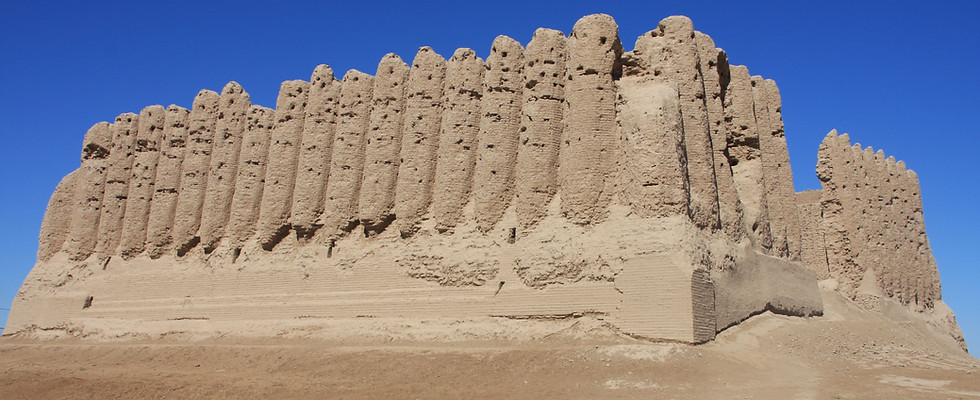
“LONG BEFORE TURKMENISTAN BECAME KNOWN BY ITS MODERN NAME, IT WAS HOME TO SOME OF THE EARLIEST CIVILIZATIONS IN HUMAN HISTORY. ONE OF THE MOST SIGNIFICANT OF THESE IS THE ANCIENT CITY OF MERV, WHICH WAS ONCE ONE OF THE MOST IMPORTANT CITIES ALONG THE SILK ROAD. MERV'S ORIGINS DATE BACK OVER 4,000 YEARS, MAKING IT ONE OF THE OLDEST CONTINUOUSLY INHABITED CITIES IN THE WORLD.”
A COLORFUL TAPESTRY OF TURKMENISTAN'S HISTORY
Turkmenistan, a land of breathtaking deserts, ancient cities, and proud nomads, boasts a history as long and interesting as the sands of the Karakum Desert that cover much of its landscape. This history is a testament to the resilience and creativity of its people, who have not only survived but thrived in one of the world's most challenging environments. From the ancient civilizations that once flourished in this region to the enduring traditions of the Turkmen people, the history of Turkmenistan is a story of cultural richness and historical significance.
Long before Turkmenistan became known by its modern name, it was home to some of the earliest civilizations in human history. One of the most significant of these is the ancient city of Merv, which was once one of the most important cities on the Great Silk Road. Merv's origins date back over 4,000 years, making it one of the oldest continuously inhabited cities in the world. Merv was not just a city but a hub of knowledge, culture, and commerce. At its peak during the 12th century, Merv was the largest city in the world, a center of learning that attracted scholars, poets, and scientists from across the Islamic world. The city’s strategic location made it a key player in the exchange of goods, ideas, and cultures along the Silk Road.
Its grand libraries and schools were renowned for their vast collections of manuscripts and the diversity of their teachings. Merv was a beacon of civilization, where Persian, Arabic, and Turkic cultures blended to create a unique and vibrant society. Today, Merv's archeological sites are a UNESCO World Heritage Site, standing as a testament to the city’s former grandeur. The well-preserved monuments, including the mausoleums, fortresses, and intricate water systems, offer a glimpse into the advanced urban planning and architectural prowess of its inhabitants. Walking through the remnants of this ancient city, one can almost hear the echoes of the past, the voices of scholars discussing the latest scientific discoveries, and the sounds of traders bartering their goods.
THE TURKMEN NOMADS: MASTERS OF THE DESERT
While cities like Merv were flourishing, some nomadic Turkmens also made their mark on history. For centuries, the Turkmen were known as fierce warriors and skilled horsemen, living a life of independence and mobility across the vast steppes and deserts of Central Asia. Their nomadic way of life was perfectly adapted to the harsh environment, and their ability to navigate the desert with ease made them respected throughout the region.
The Turkmen were not just warriors; they were also skilled artisans and craftsmen. Their textiles, particularly the famous Turkmen carpets, became highly sought after across the world. These carpets were more than just beautiful works of art; they were also a vital part of Turkmen culture, representing the identity and history of the tribes that made them. Each carpet tells a story, with intricate patterns and colors that have been passed down through generations. Yurts, or traditional Turkmen dwellings, are another symbol of the Turkmen nomadic heritage. These portable homes, made of felt and wood, are perfectly suited to the nomadic lifestyle, offering both comfort and practicality. The yurt is more than just a shelter; it is a symbol of the Turkmen way of life, representing their connection to the land and their adaptability in the face of changing circumstances.
THE GREAT EMPIRES: FROM THE SELJUKS TO THE MONGOLS
Turkmenistan’s history is also intertwined with some of the greatest empires the world has ever seen. The Seljuk Empire, which emerged in the 11th century, was founded by the Oghuz Turks, ancestors of the modern Turkmen. The Seljuks established one of the most powerful empires in the Islamic world, stretching from Central Asia to the Mediterranean. Under their rule, Turkmenistan became a crucial part of an empire that gave birth to the golden age of Islamic culture, science, and art.
The Seljuks left an indelible mark on the region, with their architectural innovations and contributions to Islamic scholarship. The iconic turquoise domes and intricate tilework that are characteristic of Islamic architecture can trace their origins back to this period. The Seljuk influence can still be seen in the historical sites scattered across Turkmenistan, each telling a story of a time when the region was a center of power and culture. However, the glory of the Seljuks was not to last. In the 13th century, the Mongols, led by Genghis Khan, swept across Central Asia, leaving a trail of destruction in their wake. Turkmenistan, like much of the region, was not spared. Cities were destroyed, and populations were decimated. But the Turkmen people, resilient as always, managed to survive and rebuild. The Mongol period, though brutal, was another chapter in the long and complex history of Turkmenistan, a period that tested the strength and endurance of its people.
CULTURAL RENAISSANCE: THE TIMURID AND SAFAVID ERAS
Following the Mongol invasions, Turkmenistan experienced a cultural renaissance under the Timurid and Safavid dynasties. The Timurids, who claimed descent from both the Mongols and the Turkmen, were patrons of the arts and sciences. Under their rule, cities like Herat (now in modern-day Afghanistan but historically part of the Turkmen cultural sphere) became centers of learning and culture. The Safavids, who came to power in the 16th century, further enriched Turkmen culture. The Safavid era saw the flourishing of Turkmen literature, art, and architecture. The influence of Persian culture was particularly strong during this time, leading to a fusion of Persian and Turkmen traditions that created a unique cultural identity.
THE TURKMEN LEGACY: A PROUD AND ENDURING CULTURE
Throughout the centuries, despite the rise and fall of empires and the challenges of living in a harsh environment, the Turkmen people have maintained a strong sense of identity and pride in their heritage. Today, Turkmenistan stands as a testament to the enduring legacy of its history. From the ancient ruins of Merv to the vibrant traditions of Turkmen nomads, the history of Turkmenistan is a colorful tapestry that continues to inspire and captivate.
Turkmenistan's history is not just a story of survival; it is a story of resilience, creativity, and cultural richness. The Turkmen people, with their deep connection to their land and their proud traditions, have created a unique and enduring culture that is celebrated to this day. As we look to the future, the lessons of Turkmenistan's history remind us of the strength and resilience of the human spirit, and the enduring power of culture and tradition.
Throughout the centuries, despite the rise and fall of empires and the challenges of living in a harsh environment, the Turkmen people have maintained a strong sense of identity and pride in their heritage. Today, Turkmenistan stands as a testament to the enduring legacy of its history. From the ancient ruins of Merv to the vibrant traditions of Turkmen nomads, the history of Turkmenistan is a colorful tapestry that continues to inspire and captivate.